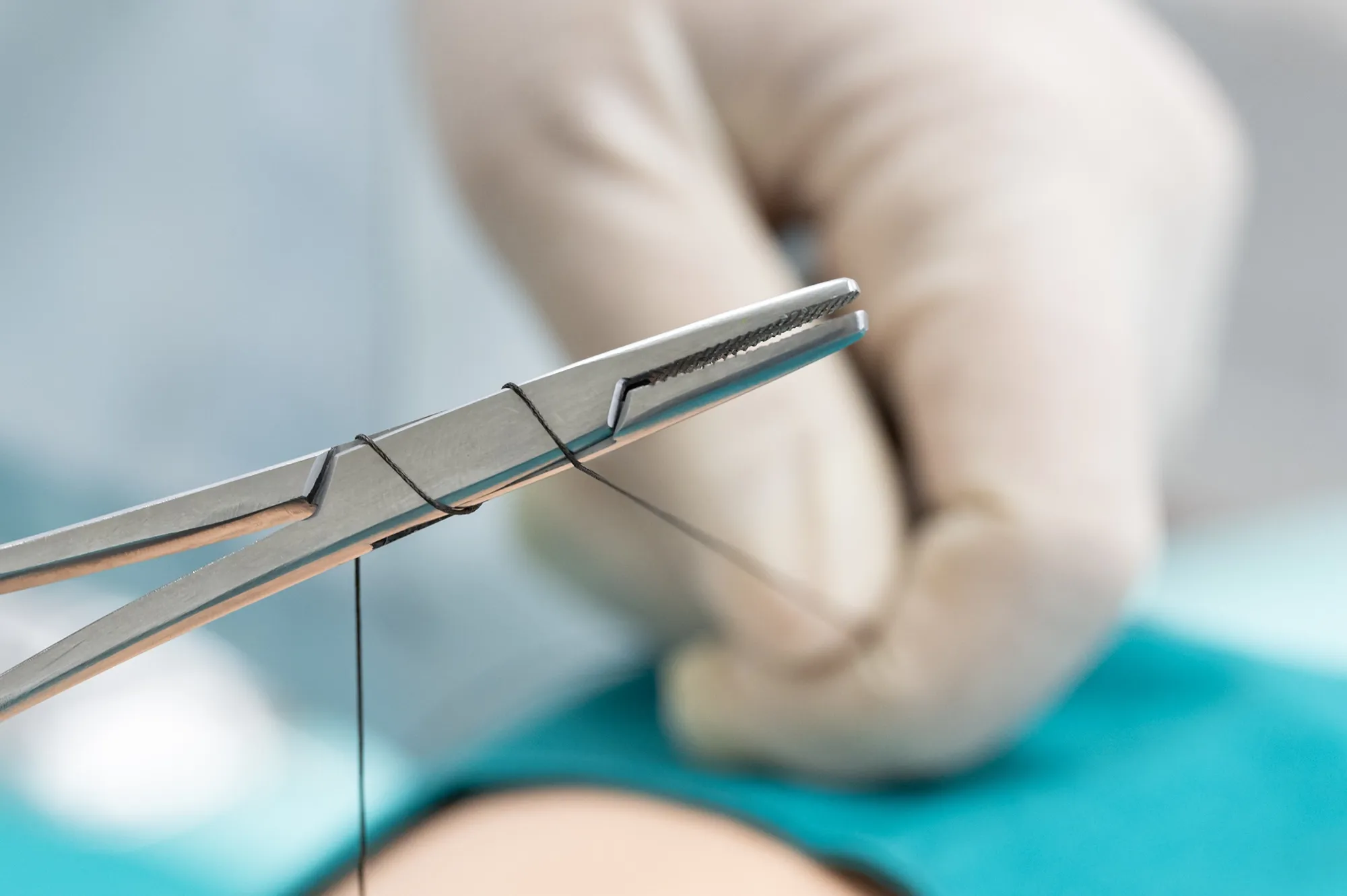
Surgical Suturing Course on Human Anatomical Preparation
From the dissection room to the operating theatre: the gesture performed layer by layer on tissue that responds like the living body.
A day built entirely on practice, on first-generation fresh-frozen preparation. Ninety minutes of theoretical framing, over four hours of practice at the table, tutor-to-learner ratio 1:2. Learn, repeat and refine the gesture. A practical laboratory guided by Dr. Alberto Molteni.
The step missing today in training the gesture
Between practising on a model and suturing on a patient there is no intermediate step. This course is that step.
Suturing is generally learned on sponges, on silicone pads, at best on animal tissue. Then the first real suture is performed on a patient, in a context where error has a cost. In between, a step is missing — and it is exactly the step this day builds: performing the gesture on first-generation preparation, where the planes truly respond, where the skin offers the resistance it offers, where the knot holds or gives way for the same reasons it will hold or give way in the operating theatre. With one substantial difference: here the error costs nothing, except to the one who makes it.
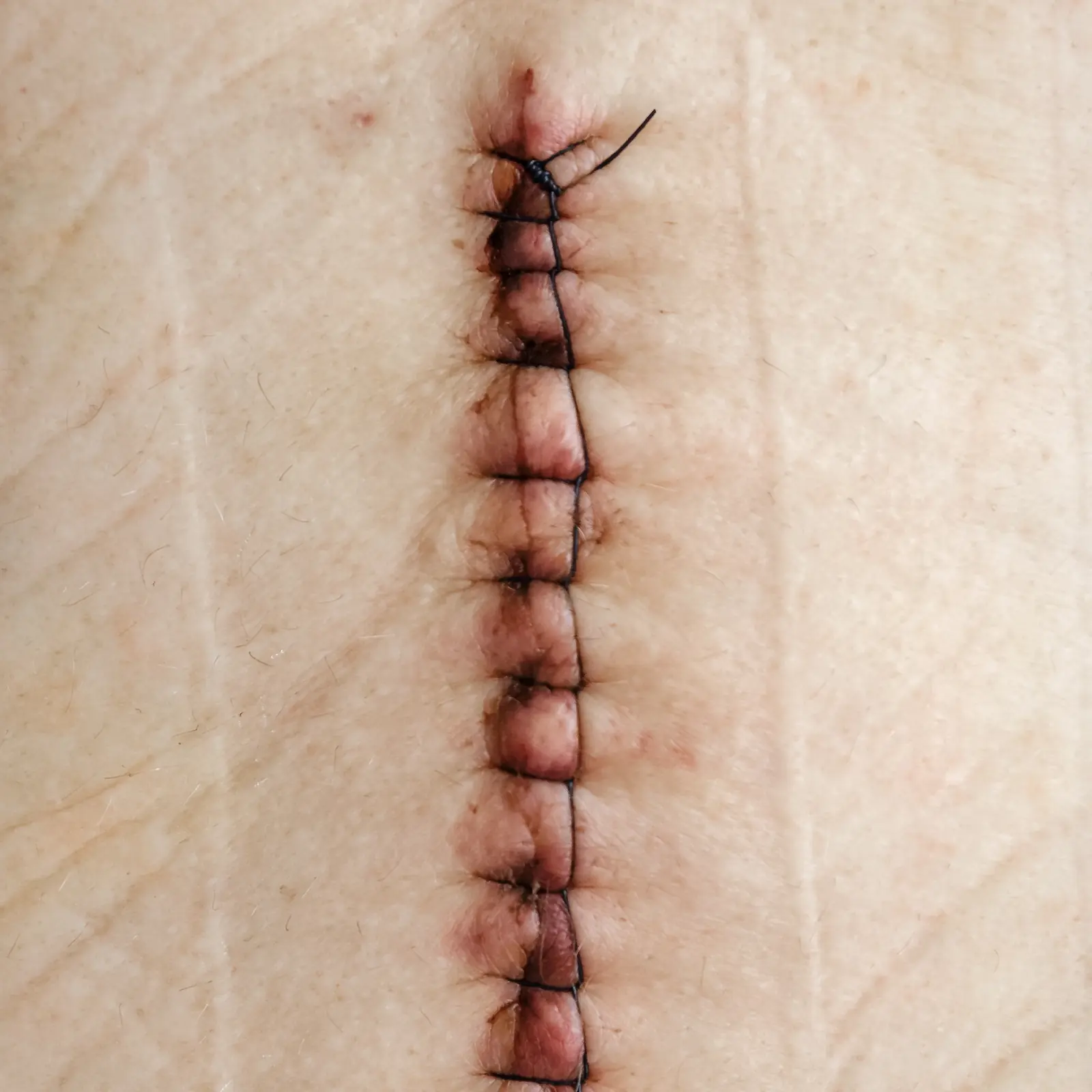
The planes respond
Skin, subcutis, fascia, muscle: each plane has its own consistency, tension and behaviour. On a synthetic model this information does not exist.
The gauge is chosen, not handed to you
Thread, needle and instrument are selected according to the tissue in front of you. It is a reasoning built only by working on different tissues within the same day.
The error is visible and correctable
Real tissue immediately shows excessive traction, a badly placed stitch, a skipped plane. And there is someone beside you pointing it out the moment it happens.
Those who donate their body donate it whole
There is a reason that comes before the didactic one. At the dissection room, the donor hands over far more than a single day can use. Making the most of what remains is not organisational efficiency: it is a way of fully honouring that gesture.
The course arises downstream of the Cadaver Lab and uses the lower-limb preparation dissected the previous day, according to a protocol defined in advance with the scientific direction. During dissection, wide flaps of skin and subcutis are harvested and preserved, destined for the cutaneous suturing exercises; fascia, muscle, tendon and a vascular segment are reserved separately. Nothing is taken away from the anatomical programme, nothing is improvised.
«You cannot suture what you have never felt under your hands.»
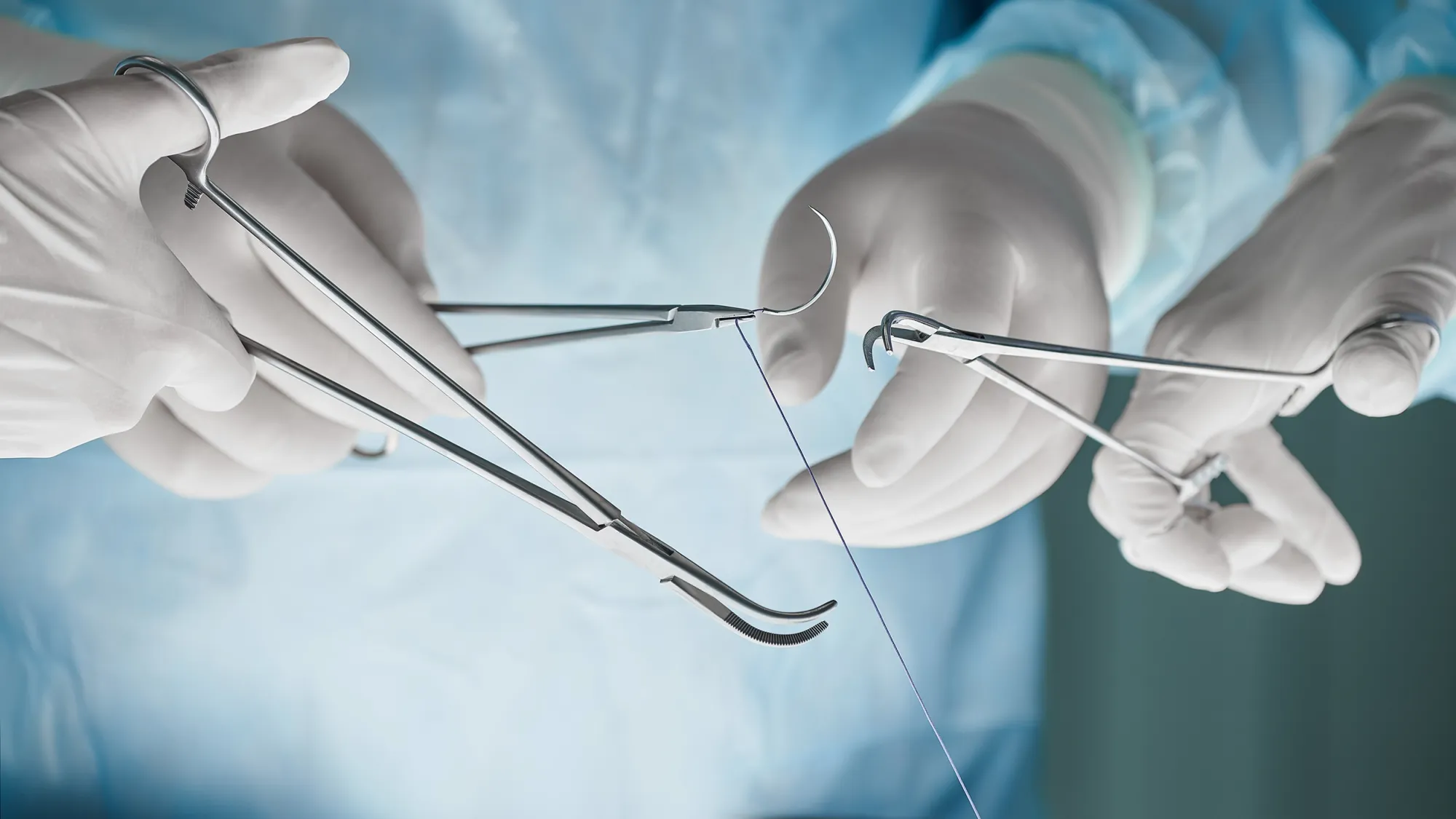
A course for professionals and residents
For those who need to build, train and refine the gesture on real tissue, before taking it to the patient.
No prerequisite of previous experience. The composition of the stations is defined at the end of the theoretical session, based on the participants' actual level.
Final-year Medical and Surgery students
01Oriented towards surgery or emergency medicine.
Early-year residents in specialist training
02General surgery, orthopaedics, plastic, vascular, emergency medicine.
Emergency Department and Continuity of Care physicians
03Who manage wounds and suturing in urgent settings.
Operating room, critical care and emergency nurses
04Who intend to consolidate their knowledge of materials, instruments and tissue behaviour in support of the surgical gesture.
Dentists and healthcare professionals with surgical competences
05Who wish to refine their layer-by-layer suturing technique.
Professional Support and Tutoring
It is the element everything else rests on, and it is worth saying upfront: it is what separates a practical course from a demonstration. While the learner performs, there is someone beside them correcting on the spot. A hands-on course with a single teacher for every ten people does not work: while one is being followed, the other nine repeat the error and consolidate it. The teacher-to-practitioner ratio per station is our standard for training on preparation, and it is the parameter that determines the limited number of available places. The tutors arrive at the day aligned on gestures and correction criteria, so that all stations teach the same thing in the same way. Operating room scrub professionals with real experience are also present at the stations, supporting learners on the choice and handling of materials.
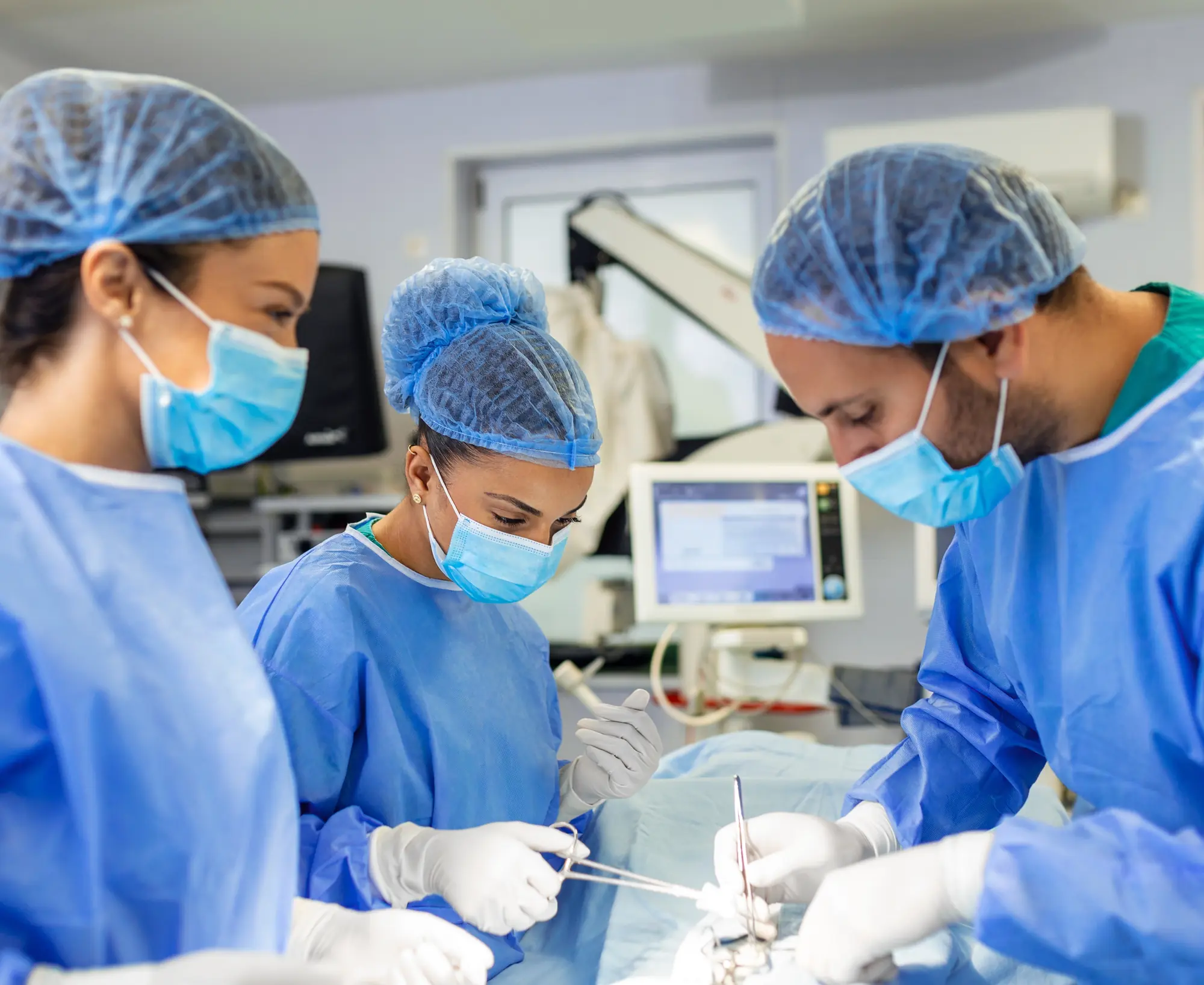
The progression
Skin and subcutis
Manual suturing, skin stapler and clips. Parallel stations, dedicated material for each pair.
Fascia and muscle
The most demanding plane, and the one where most mistakes happen. Parallel stations with distributed supervision.
Tendon suturing
A fine gesture. Dedicated station with group rotation and the teacher's close presence.
Vascular suturing
On the femoral axis. Dedicated station with group rotation.
Full Immersion Laboratory Event
Programme
| Course presentation |
| Hands-on practice in the dissection room on real human anatomical preparation: progression from the simplest gesture to the most demanding — skin and subcutis, fascia and muscle, tendon suturing and vascular suturing at a dedicated station with group rotation, with a constant ratio of one tutor for every two learners |
| Debriefing |
The programme may vary for scientific and organisational reasons. Materials, instruments and protective equipment are provided by the venue.
Next Scheduled Date
Select the date and request information about access.
Sunday 29 November 2026
Milano
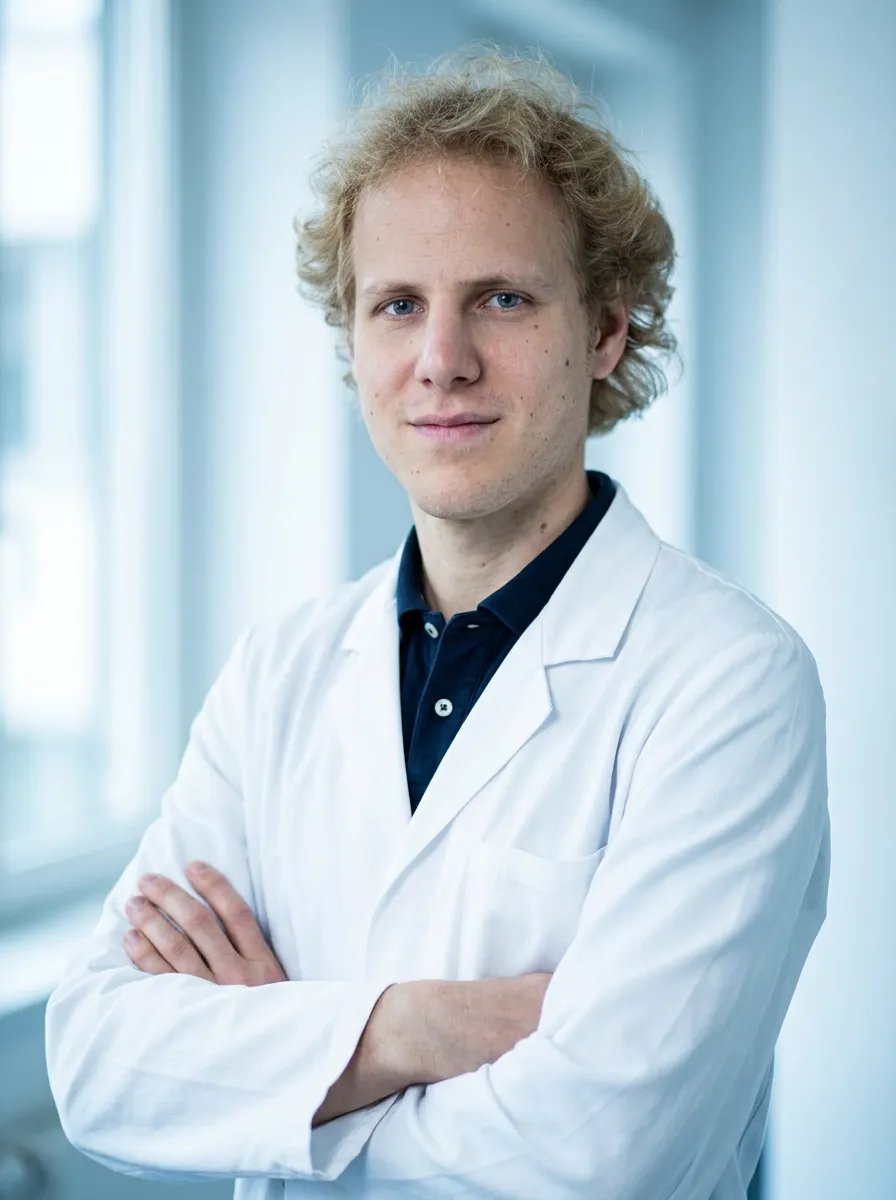
Dr. Alberto Molteni
Specialist Surgeon
Scientific and Didactic Lead of the Professional Training in Surgical Suturing. He leads the theoretical-practical session, selecting the tutor team in the laboratory.
- Specialist Surgeon, scientific and didactic lead of the event
- Teacher of the Surgical Suturing Course
- Personally selects and prepares the medical tutor team
Tutors and scrub professionals
Station assistance
Surgeons in training and operating room scrub professionals with real clinical experience, aligned in advance on correction criteria.
Certification and Recognition
At the end of the day, ATS – Anatomicus/CadaverLab issues the certificate of participation. The course also grants priority access to any subsequent modules of the professional training.
6h
Clinical Practice
1:2
Tutor-to-learner ratio
- Certificate issued by ATS – Anatomicus/CadaverLab at the end of the day
- ECM credits — accreditation being defined
- Priority access to any subsequent modules of the professional training
Limited-enrolment event
The number of places is determined by the tutor-to-learner ratio and by the stations that can be set up in the room. Enrolment closes when capacity is reached or at the closing date, whichever comes first.
24h bank transfer advantage
01Dedicated conditions for those who complete enrolment within 24 hours of place confirmation.
Dedicated conditions for students and residents
02Reserved for those who document enrolment in a degree course or specialisation school.
Instalment plan
03Available on request during enrolment.
Enrolment window
04By 31 August 2026.
FAQ
Answers to the most frequent questions about the course, the preparation and access.
The gesture is learned once. Better to learn it well.
Fill in the form: our team will contact you within 24 working hours with the full programme, the participation conditions and the actual availability of places.
Reply within 24 working hours · Limited enrolment · Fresh-frozen preparations
Milan · Limited places